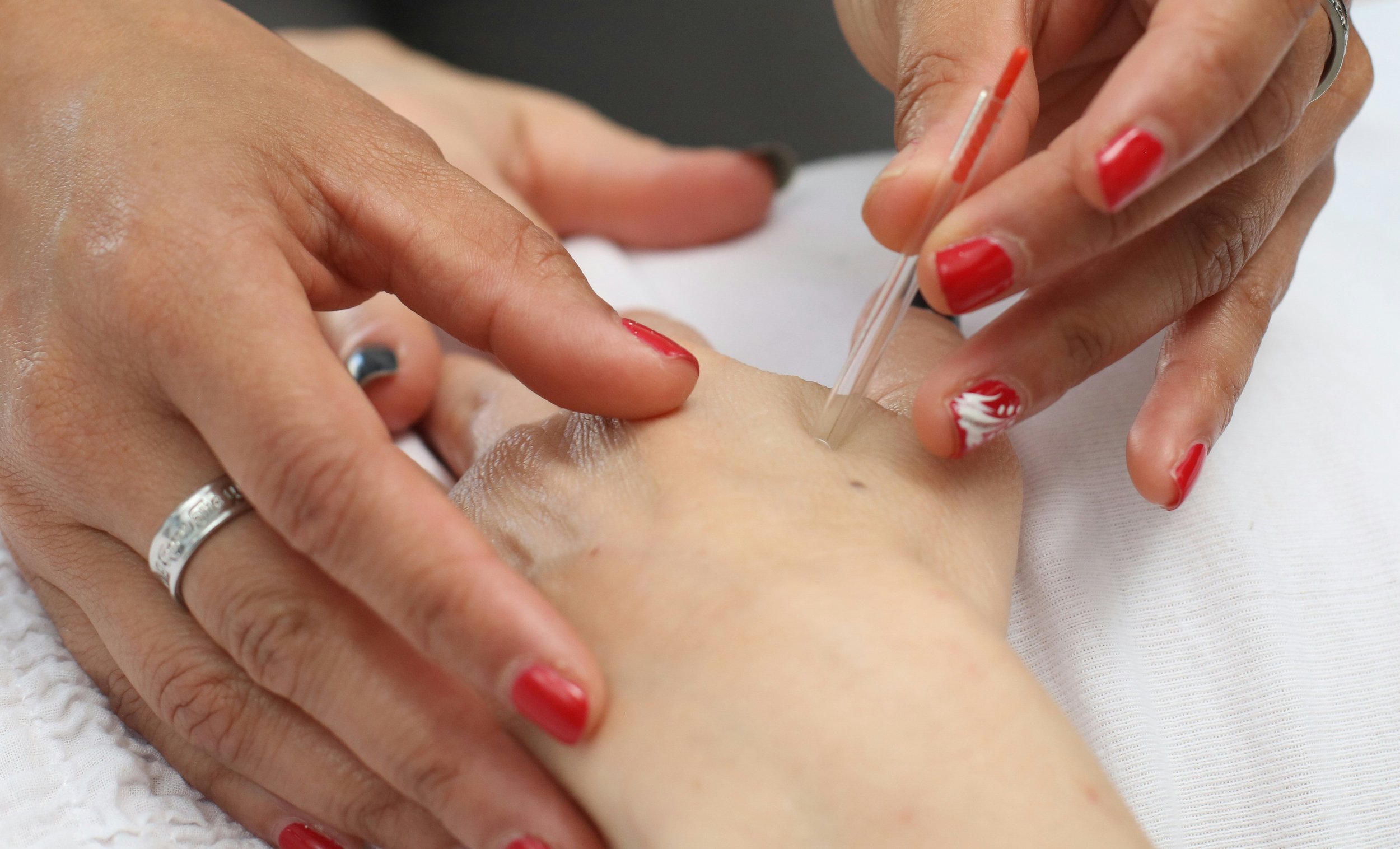
Welcome to the Blog
Curious about this practice, or trying to understand your treatment more? Browse through posts to deepen your experience at each session.
Remember these are for educational purposes only, not a medical diagnosis, as they can only occur after a full initial session with a qualified practitioner.

Almost There: How Acupuncture Supports Your Third Trimester
The third trimester is a time of wonderful anticipation. Your body is working hard, your mind is busy preparing and your baby is getting ready to meet you. Acupuncture offers practical and nurturing support during these final weeks, helping your feel as comfortable and ready as possible for the journey ahead.

Acupuncture During the Second Trimester
The second trimester is often described as the sweet spot of pregnancy. The early nausea has usually lifted, your body begins to find its rhythm and the reality of becoming a mother starts to settle in with a new kind feeling. Acupuncture offers meaningful support for both the physical and emotional landscape of this in-between season.

Gentle Support from the Very Beginning: Acupuncture during the First Trimester
The first trimester is one of the most profound and quietly overwhelming times in a woman’s life. Whether you conceived naturally or through IVF or IUI, those early weeks carry a unique mix of wonder, worry and exhaustion. Acupuncture offers gentle, meaningful support right from the beginning.

Labor Preparation and Induction in Traditional Chinese Medicine
Traditional Chinese Medicine approaches labor preparation by supporting balance, movement, and readiness rather than forcing outcomes. Acupuncture offers gentle support as the body prepares for birth.
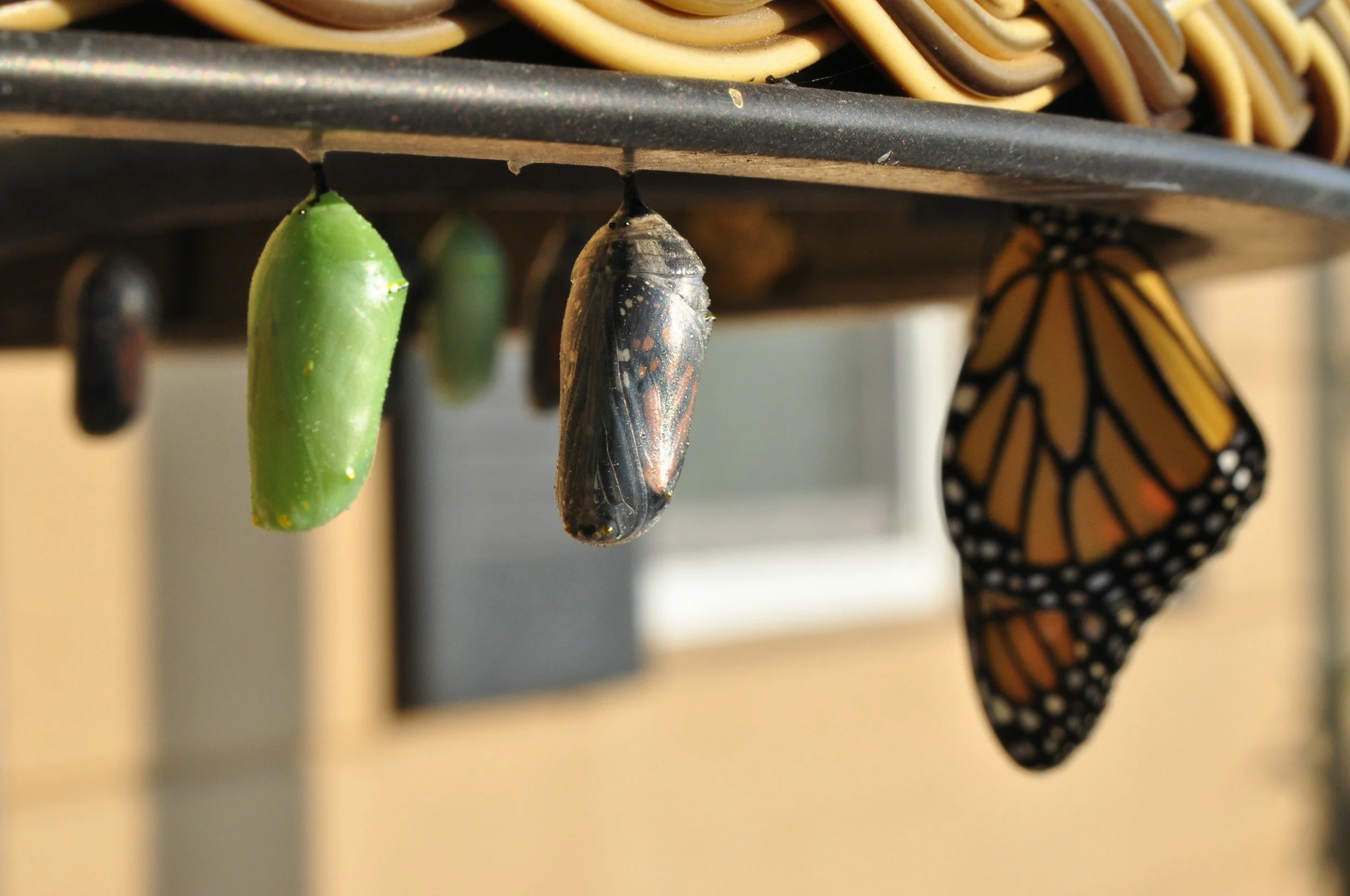
Acupuncture During Pregnancy
Pregnancy is a period of significant physical and emotional change. Traditional Chinese Medicine approaches prenatal care as supportive, adaptable, and focused on balance throughout each stage.
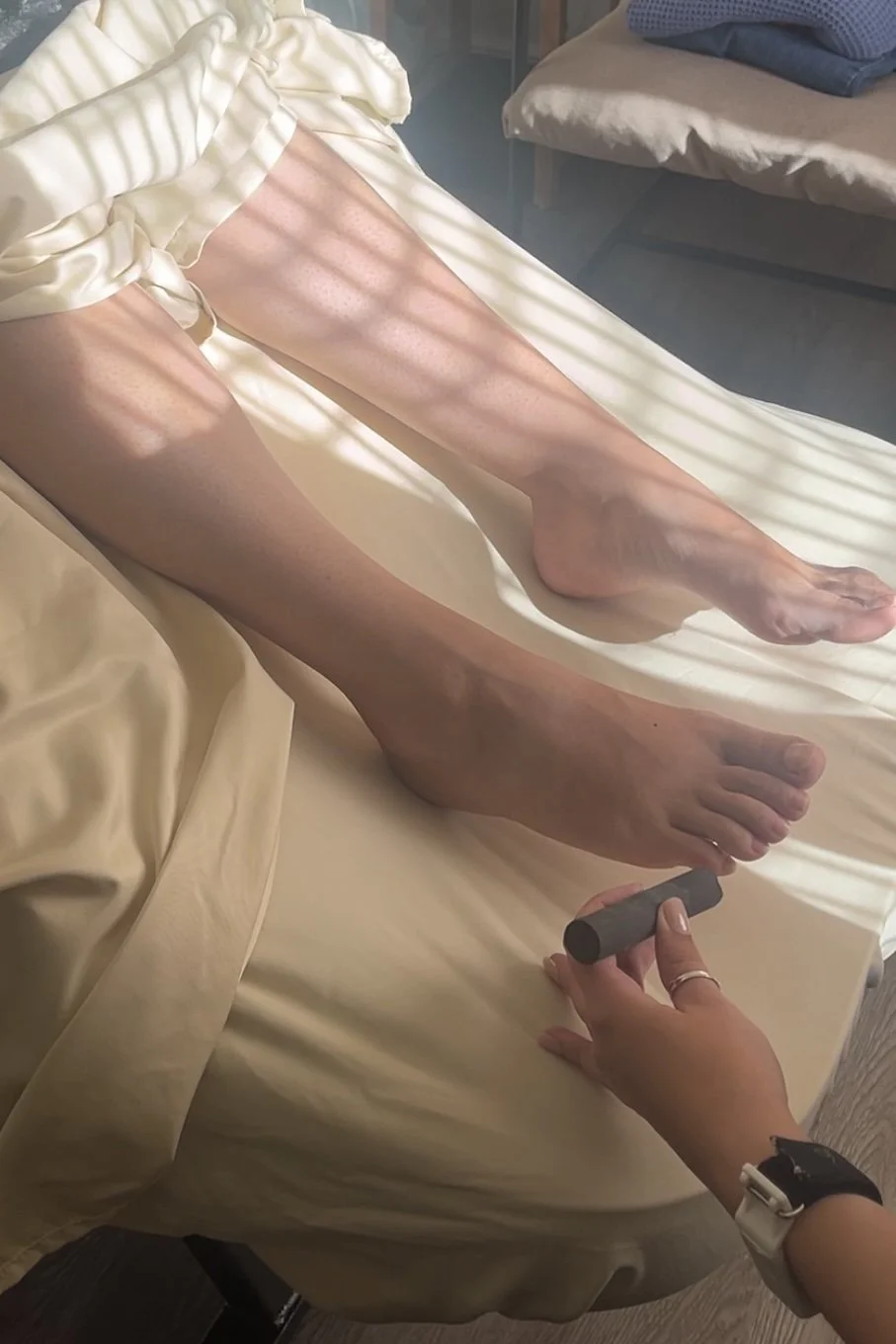
A Gentle Approach to Breech Position
When a baby is in a breech position, acupuncture and moxibustion offer gentle, non-invasive support to encourage turning. Treatment often begins around 32 weeks, and receiving care sooner can improve the likelihood of a successful outcome.